Central Israel · Netanya to Ashdod
Underfloor drying after a leak
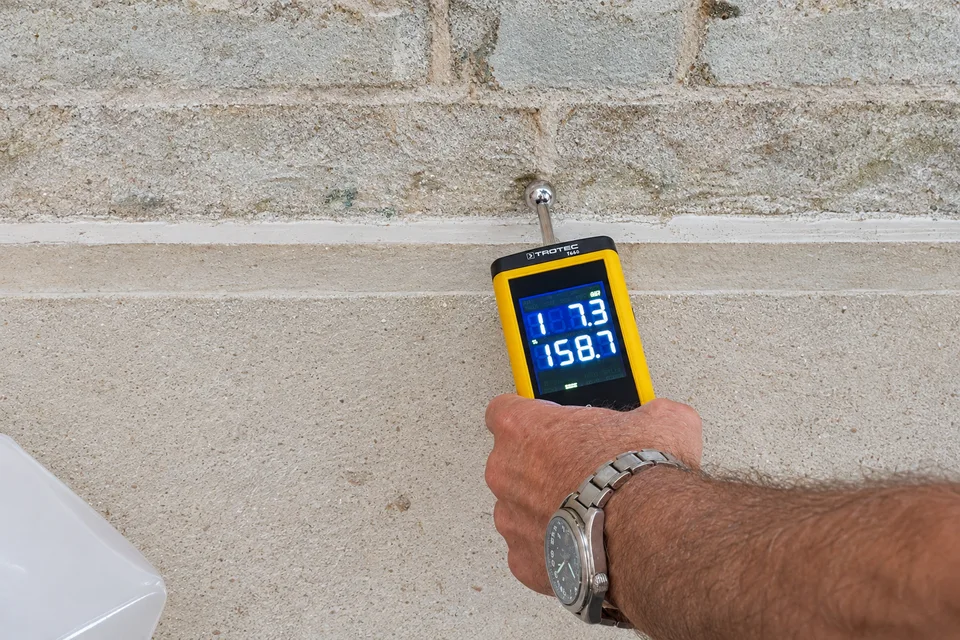
The surface looks dry, but dampness remains near the skirting? Water can stay within the layers below a floor finish. We assess the base and discuss drying with checks that follow the actual moisture condition.

When to get in touch
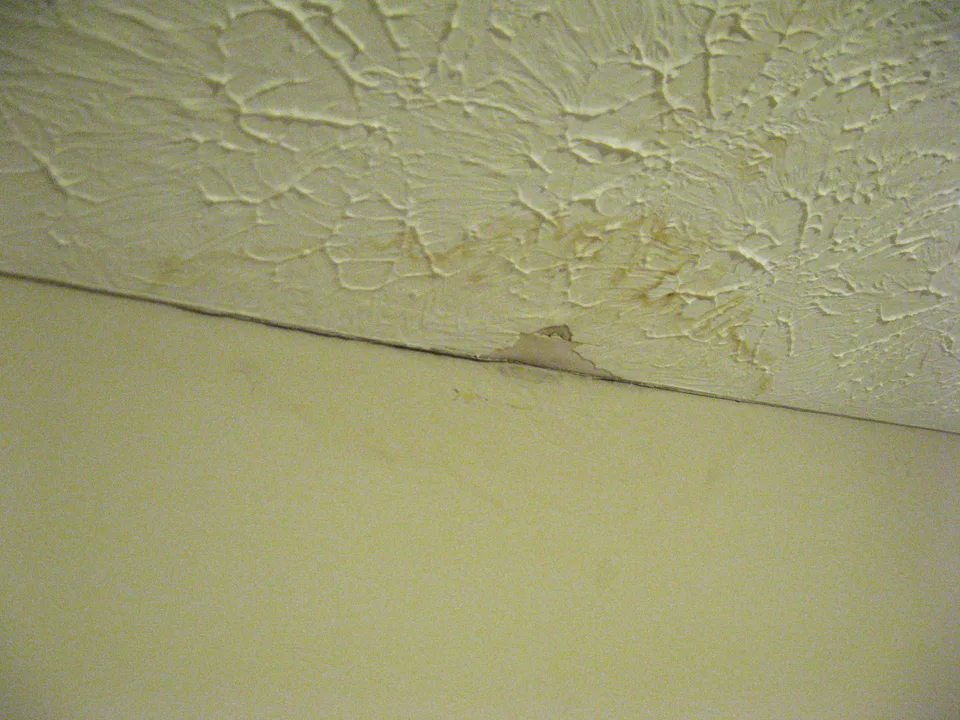
- The lower wall remains damp after the leak has been repaired.
- Flooring or skirting changes shape, or a persistent damp smell develops.
- You need to check the base before installing a replacement floor.
A dry tile does not prove the layers below are dry
Water between a finish, screed and lower layers dries differently from water on an open surface. A floor covering can restrict evaporation. Ventilating the room may improve the air without removing trapped moisture underneath.
Stopping the water source comes first. We then consider the floor construction, affected area, access and condition of materials. These findings guide equipment selection and access points. One drying method or fixed duration does not suit every apartment.

How the work is planned
Establish the starting condition
Confirm what has been repaired and identify suitable places to assess moisture.
Agree method and access
Discuss equipment, possible access openings, noise, electrical supply and use of the room.
Dry and monitor
Arrange moisture removal and follow the changes, adjusting the setup where needed.
Check before reinstatement
Compare the final condition with the starting point and the requirements of the intended floor finish.
What we discuss afterwards
Before work, we agree where moisture will be checked, when follow-up checks are needed and how completion will be assessed. Equipment running time alone is not a drying result. The condition of the material matters. Replacing damaged finishes and making good access openings are separate items to agree.
Choosing the next step
| Situation | What to check or do |
|---|---|
| Water is still entering | Locate and repair the source first; drying cannot replace that repair. |
| Moisture remains below the covering | Assess controlled drying and the access it will need. |
| The base is dry but a material is damaged | Discuss replacement of the affected layer and reinstatement. |
Before the visit
- Tell us when the leak happened and what was repaired.
- Send photos of the flooring, skirting and affected walls.
- Identify the floor covering and any underfloor heating, if known.
- Explain socket access, occupancy and any concerns about noise.
What affects the cost
The affected area and depth, floor construction, access, equipment, duration and monitoring visits affect the cost. Access openings and reinstatement are agreed separately. A photograph cannot reliably establish how long a concealed layer will take to dry.
Discuss the job on WhatsApp →Common questions
Will a domestic dehumidifier be enough?
It can lower room humidity, but a dense floor finish can limit access to trapped water. Progress needs to be assessed in the base, not only from the room humidity display.
Must all the tiles be removed?
Not always. Limited-access drying depends on the construction, contamination and condition of materials. We discuss suitable options after assessment.
How many days does drying take?
There is no universal duration. Materials, water quantity, temperature, airflow and the removal method all matter. Monitoring helps refine the plan.
Can we stay in the apartment?
This depends on equipment placement, noise and access. We discuss room use and safe management of cables beforehand.
When can a new floor be installed?
When the base meets the moisture requirements of the selected finish and adhesive. A dry-looking surface or lack of smell alone does not establish that.
Related services
FIX&GO
Start with a photo and a description
Send Dima your city, an overall view and close-up photos. We will clarify the task, access and a suitable next step.